MAX 2A. To control the motor with greater current, the motor power line is directly connected to the power supply, not through the governor.
PWM Output Frequency
0 ~ 100KHz
Analog Voltage Output
0 - 5V
Temperature Parameters
Working: -10℃ to 70℃ Storage: -30℃ to 125℃
Driver Board Size
Length 60mm X Width 40mm
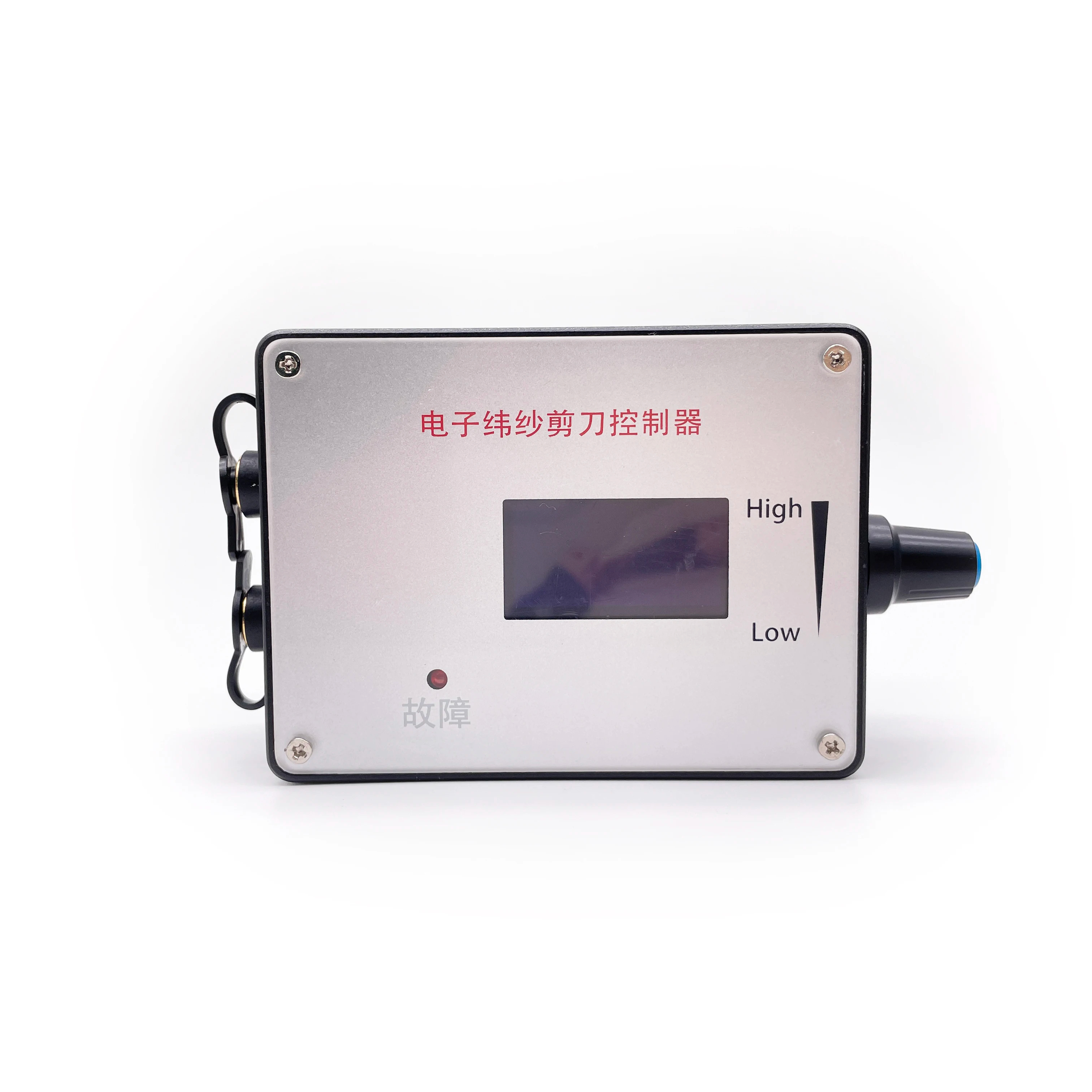
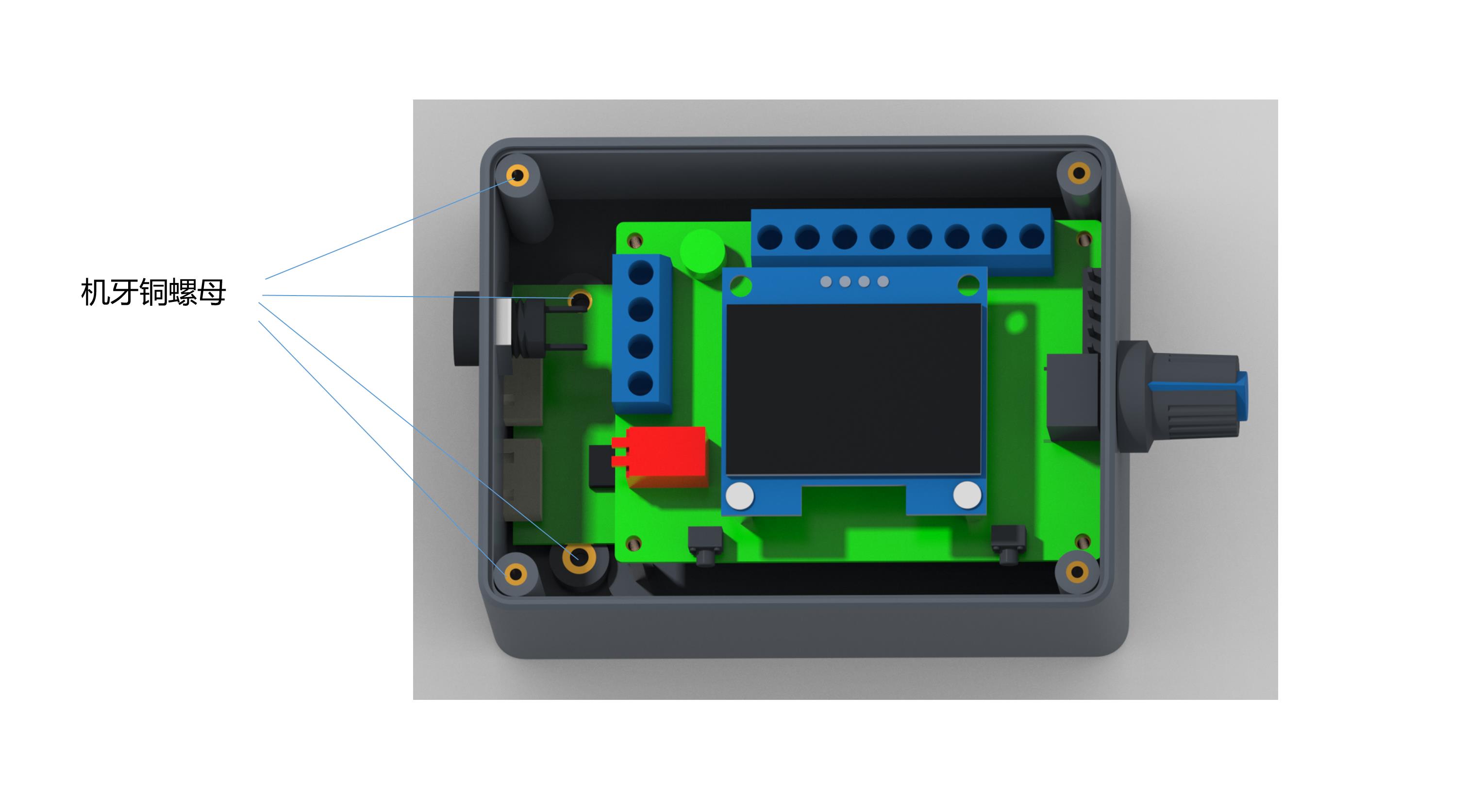
2. Governor Wiring and Internal Function Description
1
Governor, motor power supply positive input.
2
Governor, motor power input negative.
3
The positive output of the power supply of the motor.
4
Negative output of the power supply of the motor.
5
High and low level output of positive and negative rotation control, high level 5V, low level 0V, controlled by touch switch 2 (F/R), the default is high level.
6
High and low level output of brake control, high level 5V, low level 0V, controlled by touch switch 1 (BRA), power on the default high level.
7
Analog voltage output (0~5V), this interface is suitable for accepting analog voltage speed regulation motor.
8
PWM1 reverse output, this interface is suitable for the motor that accepts PWM speed regulation, and the speed is inversely proportional to the duty cycle.
9
PWM2 forward output, this interface is suitable for motors that accept PWM speed regulation, the speed is proportional to the duty cycle.
10
Motor feedback signal input.
Note on Interfaces
The output signal changes of the three interfaces (5 to 9) are adjusted by the potentiometer.
FG/FG*3 & CW/CCW Configuration
FG/FG*3: Should be configured based on the actual motor feedback times to determine whether to add a jumper cap. No jumper cap signifies a single times FG; an added jumper cap provides 3 times FG*3. CW/CCW: The same configuration principles apply for initial direction settings.
3. Governor Parameter Settings
(1) Frequency Setting
Press and hold the touch switch 1 before power-on and do not release, then power the governor board. Wait until the screen displays "FEQ:20K", then release the button. Touch switch 1 to reduce and touch switch 2 to add. The frequency is adjustable to the specified frequency; the factory default is 20KHz.
(2) Number of Poles Setting
Before power-on, simultaneously hold down touch switch 1 and touch switch 2 and do not release. Power the governor board and wait until the screen displays "number of poles: 1 polarity", then release the buttons. Touch switch 1 to reduce and touch switch 2 to add. The adjustable pole number is based on the motor design; the factory default is 1 pole.
(3) Feedback Setting
The FG/FG*3 pin is set as the feedback multiple. Set this according to whether the feedback multiplier of the motor is single times FG or three times FG. Adding the jumper cap sets it to 3 times FG; leaving the jumper cap off sets it to single times FG.
(4) Direction Setting
The CW/CCW pin configures the initial state direction of the motor. It is set based on whether the motor runs in CW or CCW when the motor direction control line is suspended. Add a skip cap for CCW; leave it off for CW.
Main Display Interface
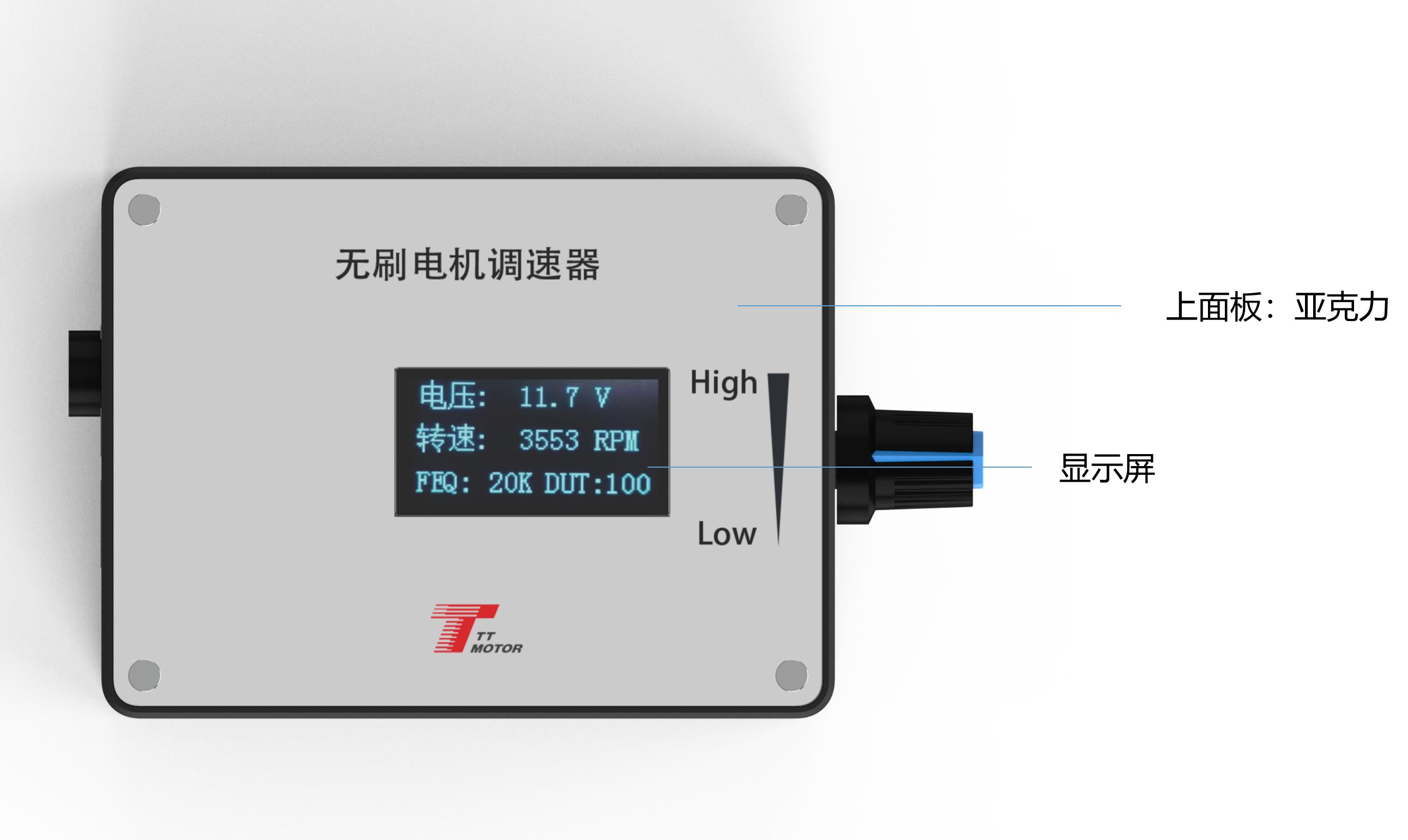
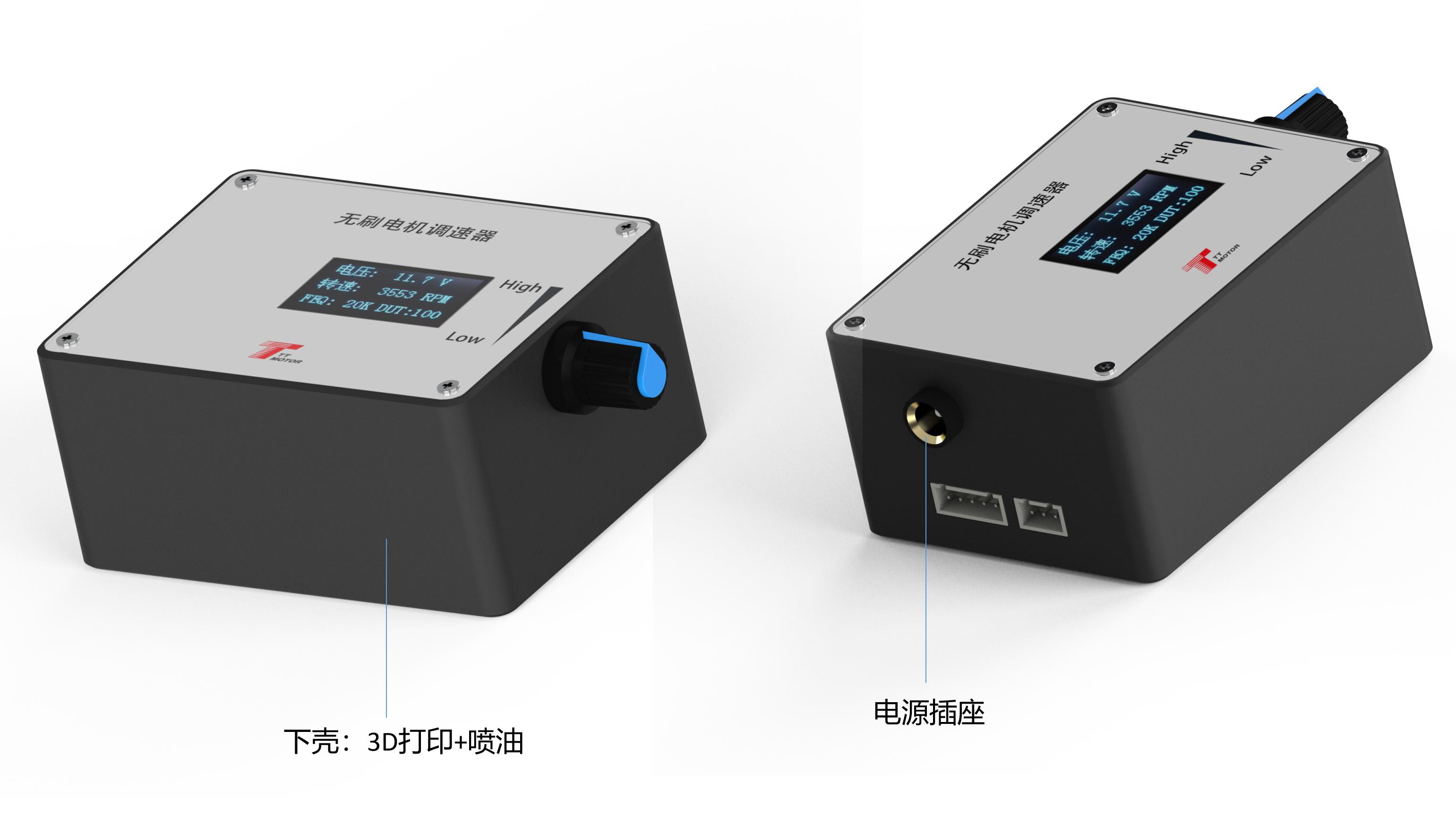
The main screen interface displays four key parameters: input voltage, speed, frequency, and duty cycle. To ensure accurate speed readings, the feedback multiplier (FG/FG*3) and the number of poles must be correctly set.
4. Governor Precautions
Critical Guidelines & Safety Instructions
Power Input Polarity: The positive and negative power supply of the governor must be connected strictly according to the instructions. Do not reverse the connections, otherwise, the governor will not function and the internal circuitry will burn.
Application Match: The governor is specifically designed to be matched with motors that feature the compatible control interfaces specified above.
Voltage Limits: The five control ports (from positive/negative rotation control to PWM outputs) are rated for low voltage signals and must not access any voltage exceeding 5V.
Frequently Asked Questions (FAQ)
Q: What is the input voltage range and maximum rated current for this governor?
A: The input voltage range is DC 5V-28V, and the maximum rated current is 2A. To operate a motor requiring larger current, connect the motor's power line directly to the power supply rather than passing it through the governor.
Q: How can I adjust the output frequency of the governor?
A: Before powering on, press and hold touch switch 1. Turn on the power and release the switch when the screen displays "FEQ:20K". You can then use touch switch 1 to decrease the frequency or touch switch 2 to increase it. The factory default setting is 20KHz.
Q: How do I set the motor pole number on the driver board?
A: Prior to powering on the board, hold down both touch switch 1 and touch switch 2. Power on the governor and release the buttons when the screen displays "number of poles: 1 polarity". Press touch switch 1 to decrease or touch switch 2 to increase to match your motor's design. The default setting is 1 pole.
Q: How does the FG feedback multiplier and CW/CCW jumper setting work?
A: The FG/FG*3 jumper cap determines the multiplier: leaving the jumper cap off sets it to a single times feedback (FG), while adding the cap increases it to 3 times feedback (FG*3). For direction (CW/CCW), adding the skip cap configures the initial state to CCW, whereas leaving it off defaults to CW when the direction line is suspended.
Q: What parameters are displayed on the main screen of the governor?
A: The main interface displays four core parameters: input voltage, motor speed, operating frequency, and duty cycle. For correct speed calculations, you must set the pole count and the FG feedback multiplier properly.
Q: Can I apply more than 5V to the control terminals?
A: No. The control ports (positive/negative rotation, brake, and PWM outputs) are designed to handle signals up to 5V. Connecting these ports to any voltage source exceeding 5V can permanently damage the governor.
 OmniDrive Motor